
In the ever-evolving landscape of industrial operations, manufacturing companies are constantly looking for ways to improve efficiency, reduce waste, and optimize productivity. Advancements in technology and innovative strategies are leading the charge in transforming production processes for the better. Streamlining operations not only boosts output but also contributes to sustainability and cost reduction. In this article, we will explore how modern solutions are shaping the future of industrial operations for manufacturers striving to stay ahead of the competition.
Embracing Automation to Enhance Production Efficiency
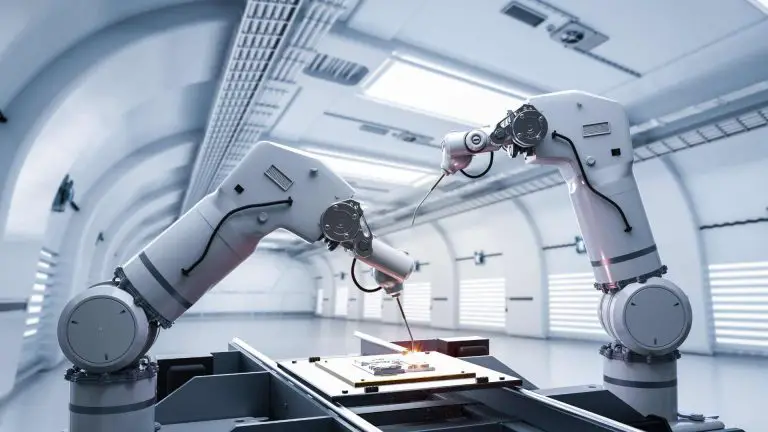
Automation has been a major game-changer for industries looking to streamline their production lines. By integrating robotic systems and automated machinery, companies are able to maintain a steady and precise production flow. This level of consistency reduces the likelihood of human error, which in turn minimizes production delays and enhances overall quality control. From assembling products to packaging, automation can be applied to a variety of tasks within the manufacturing process.
The efficiency of automation also lies in its ability to operate around the clock. Unlike human labor, machines do not require breaks, allowing for uninterrupted production, which can significantly boost output. This is particularly crucial in industries where demand is high and deadlines are tight. The increased output also creates an opportunity for businesses to scale up operations and meet market demands more effectively.
However, as machines handle the brunt of physical labor, it is essential for companies to invest in advanced technologies that can ensure safety and reliability. For instance, incorporating a rotary screw air compressor can provide continuous, high-quality compressed air essential for various automated machinery operations, thereby reducing downtime and maintenance needs.
Integrating Real-Time Data Analytics Into Industrial Operations
The use of real-time data analytics in industrial operations marks a significant shift in how decisions are made and performance is monitored. By capturing and analyzing data as it is generated, companies can gain immediate insights into their production processes. This allows for on-the-spot decision making that can improve operational efficiency, adjust to changes in demand, and respond to unexpected issues without significant delays.
Data analytics also plays a pivotal role in optimizing supply chain management. By analyzing trends and patterns within the data, companies can forecast demand more accurately, manage inventory levels more effectively, and optimize logistics. The ability to predict market shifts and adjust production accordingly gives companies a competitive edge, ensuring they stay aligned with customer needs.
Integrating data analytics requires a robust infrastructure capable of handling large volumes of data. This can be achieved by adopting ERP solutions that seamlessly integrate with existing systems and allow for the free flow of information across the organization. With advanced ERP software, data silos are eliminated, ensuring a holistic view of the company’s operations and better-informed decision-making.
Implementing Lean Manufacturing Principles for Waste Reduction
Lean manufacturing principles are centered around maximizing value to the customer while minimizing waste. Adopting these principles means analyzing every aspect of the production process to ensure that only value-adding activities are maintained. One of the most fundamental aspects of lean manufacturing is identifying and eliminating any process that doesn’t add value, effectively streamlining operations.
Waste reduction can be achieved through various methods, such as improving layout design to reduce movement, fine-tuning inventory control to prevent overproduction, and simplifying processes to decrease defects. By honing in on these elements, companies can save costs and also improve the flow of materials and information throughout the manufacturing cycle.
Engagement of employees plays a crucial role in successfully implementing lean practices. Workers on the frontline often have invaluable insights into where improvements can be made. Empowering these employees to suggest and implement changes fosters a culture of continuous improvement, which is key to maintaining lean operations over time.
Advantages of Predictive Maintenance in Streamlining Production
Predictive maintenance represents a revolutionary approach to equipment management in industrial operations. Instead of relying on scheduled or reactive maintenance, predictive maintenance uses data and analytics to anticipate when maintenance should be performed. This proactive method can significantly reduce downtime as maintenance can be scheduled during non-critical operational periods.
The deployment of sensors and monitoring devices on machinery enables the real-time tracking of equipment performance. Anomalies, wear, and potential failures can be detected well before they result in a breakdown. Predictive maintenance not only expands the lifespan of the equipment but also prevents the costly consequences of unplanned outages.
Overall, the integration of these advanced solutions into industrial operations signifies a monumental shift towards a more efficient and resilient manufacturing sector. As companies continue to innovate and embrace these developments, the future of manufacturing looks to be productive, intelligent, and adaptive to the ever-changing market demands.