

We are currently navigating an era of unprecedented burnout.
While ambitious women are building brilliant, culture-shifting ventures, behind the scenes, many are feeling isolated and yearning for genuine connection. The root of this disconnect often lies in the gap between intention and impact. In our professional networks, everyone intends to be a supportive peer, but without tangible action, those good intentions fall flat. To truly build a thriving community and protect our creative wellness, we must remember one crucial rule: support is a verb.
The Ask: How to Communicate Your Needs
Before we can expect others to show up for us, we must evaluate how we invite them in. People cannot support what they do not fully understand. It is easy to hide behind polished highlight reels, but stepping out from behind the facade to share the human reality of your entrepreneurial journey is what builds trust. Vulnerability must be paired with sustainable systems and radical transparency.
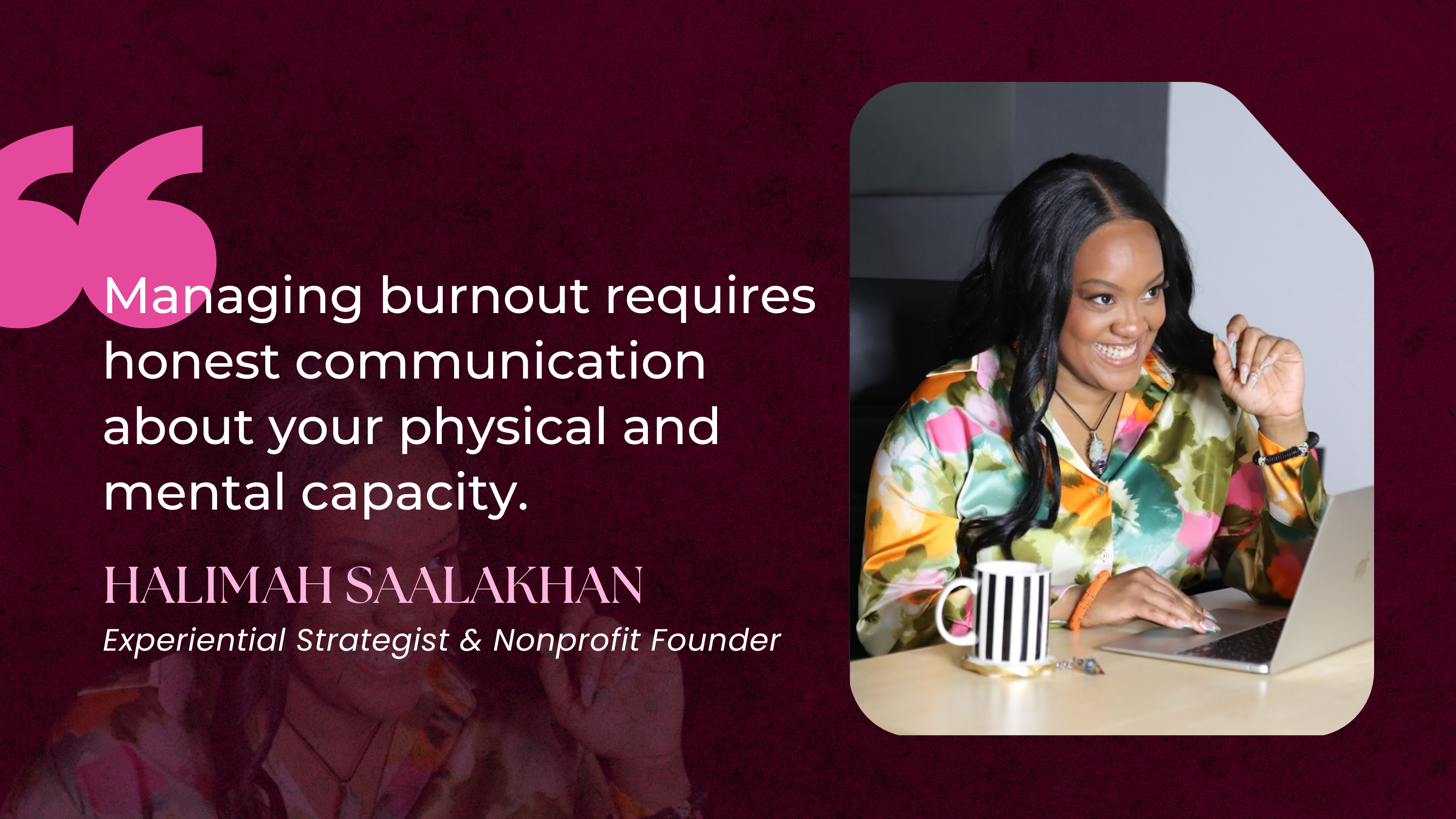
Experiential strategist Halimah Saalakhan emphasizes that managing burnout requires honest communication about your physical and mental capacity. As a founder navigating entrepreneurship with an invisible disability, Saalakhan notes that explicitly telling your team and support system when you are “out of commission” or currently don’t have capacity is a vital boundary for long-term endurance.
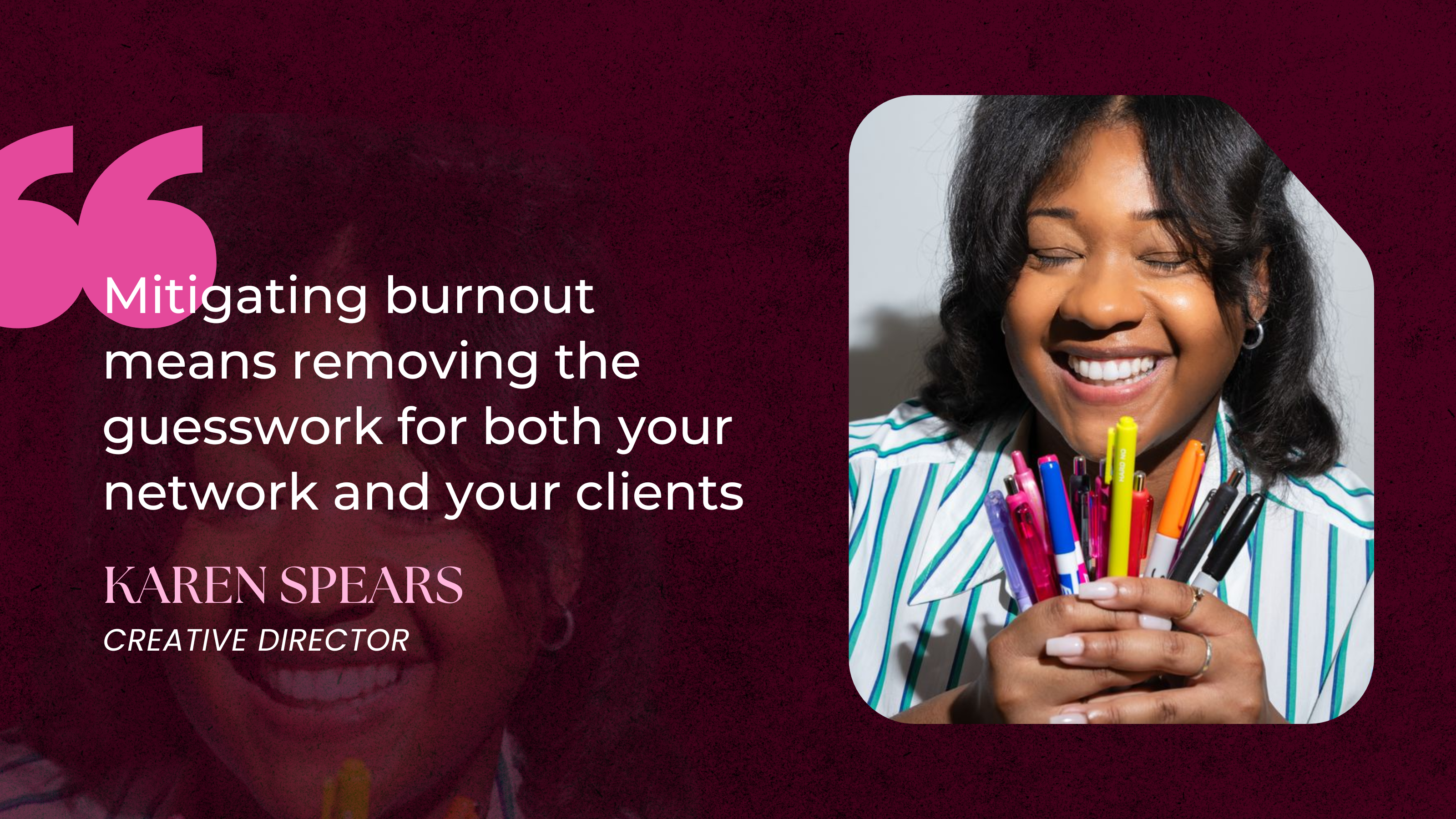
Creative Director Karen Spears agrees, noting that mitigating burnout means removing the guesswork for both your network and your clients. Instead of waiting until you are overwhelmed, engage in proactive planning.
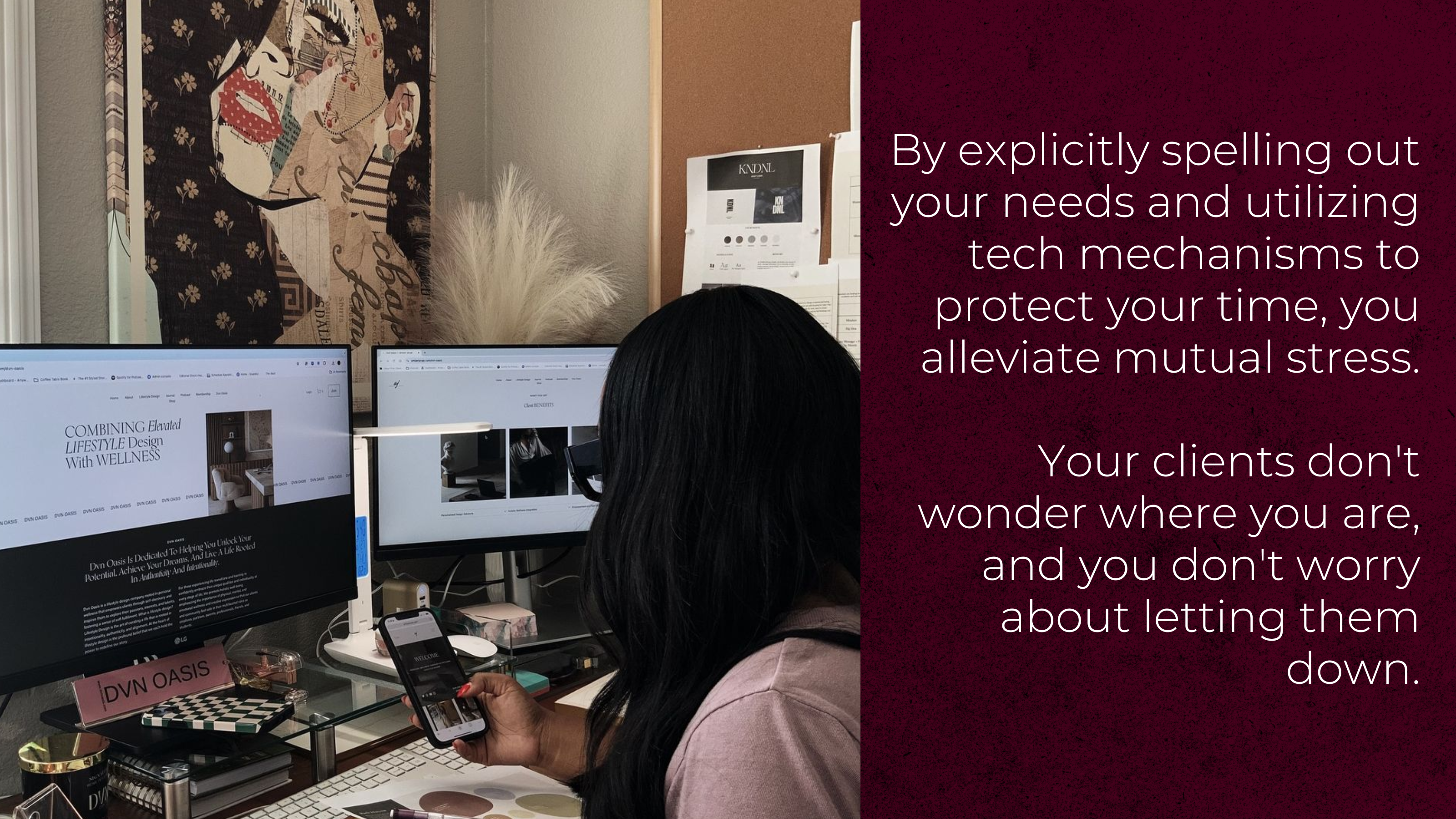
These founders both advocate for strictly communicating your hours, working days, and periods of complete unavailability. By explicitly spelling out your needs and utilizing tech mechanisms to protect your time, you alleviate mutual stress. Your clients don’t wonder where you are, and you don’t worry about letting them down.
The Action: How to Truly Show Up for Others
Conversely, being a true asset to your community requires honest self-reflection.
You may have the intent to support your peers, but if your impact is invisible, it may be time to rethink your approach. True support is not always transactional. Sometimes, the most high-impact action you can take is simply providing a safe, judgment-free space for a founder to scream, cry, or talk through the weight of their responsibilities.
When you are ready to create synergy through action, move beyond passive social media engagement and step into active advocacy. For Saalakhan, genuine support during her transition from corporate into full-time entrepreneurship meant her network actively made her goals their goals. It looked like:
- peers holding her accountable
- continuously making strategic connections
- and sending potential clients her way
Spears echoes this, highlighting the immense power of having trusted partners who actively champion your work. A true supporter uses their influence to speak your name in rooms you aren’t physically in: a standard of advocacy both founders firmly swear by. This might look like a peer seamlessly walking you into a project to bypass a formal pitch process, or actively connecting you with high-value stakeholders.
Bridging the Gap
Ultimately, genuine community requires an active, intentional exchange. It demands that we boldly communicate our boundaries and proactively answer the call for others. By treating support as an action word, we transform our networks into unshakeable, sustainable ecosystems.
When we actively bridge the gap between intention and impact, we ensure that we all rise together.