

Unions have long been the backbone of worker protection, securing fair wages, safe conditions and dignity on the job. Today, that protection must extend beyond physical safety to include mental and emotional well-being. Employee assistance programs (EAPs) designed specifically for union workforces address the unique pressures faced by organized labor. From shift work strain to the stress of contract negotiations, specialized EAPs represent a modern investment in workforce resilience.
The Unique Pressures of a Unionized Workforce
Understanding the distinct stressors that impact unionized employees is essential for employers seeking to support their teams effectively. Many union workers face physically demanding roles in construction, manufacturing and the trades, which take a toll on both their bodies and minds.
Job security concerns intensify during contract negotiations, creating anxiety that extends beyond the workplace. Shift work disrupts family routines and sleep patterns, compounding stress and affecting overall well-being.
The global impact of these pressures is significant. An estimated 12 billion working days are lost every year to depression and anxiety. Poor working environments pose a substantial risk to mental health. Limited decision-making power and job insecurity contribute to this burden.
According to APA’s 2023 Work in America Survey, 92% of employees feel that working for an organization that supports mental health is important. The first step for people managing union workforces is recognizing these industry-specific challenges. Selecting the best employee assistance programs for union workers requires this understanding.
Why Standard EAPs Often Fall Short for Unions
Generic EAPs often lack the cultural awareness necessary to serve organized labor effectively. These programs typically fail to account for the collective nature of union workplaces. Solidarity and shared identity shape how workers seek support. Standard providers may not understand the complexities of collective bargaining agreements or the unique dynamics between labor and management.
The effectiveness of any assistance program depends heavily on alignment with workplace culture. Research shows that an organization’s psychosocial safety climate directly influences program outcomes. When a program does not reflect the values and realities of a union environment, participation drops and impact diminishes. Employers investing in EAP benefits must ensure the provider understands the workforce it serves.
Core Features of a Union-Centric EAP
The best employee assistance programs for union workers share several defining characteristics that set them apart from generic offerings:
- Understanding of collective bargaining: The provider recognizes how union contracts shape benefits delivery and respects the negotiated terms that govern employee access to services.
- Industry-specific expertise: Counselors and support staff understand the physical and emotional demands of trades, manufacturing and other unionized sectors, offering relevant guidance rather than generic advice.
- Confidentiality within a solidarity culture: The program maintains strict privacy protections while respecting the close-knit nature of union workplaces, ensuring members feel safe seeking help without fear of judgment from peers or management.
- Support for work-life challenges: Services address the practical realities union workers face, from the impacts of shift work on family life to financial planning during contract transitions.
Providers that incorporate these elements, such as those specializing in union services, demonstrate a commitment to serving organized labor on its own terms.
Selection Criteria for Top EAP Providers
The following providers demonstrate the ability to serve union workforces effectively. Key evaluation criteria include a strong understanding of union values and culture. The size and quality of their clinical networks also factor into the selection.
A comprehensive range of services relevant to union members is essential. Each provider either specializes in union environments or maintains the scale and adaptability necessary to meet the unique needs of organized labor.
Top Employee Assistance Programs for Unions Across the U.S.
The following providers are recognized for their ability to serve unionized workforces. They excel on both national and regional scales.
1. AllOne Health (Pennsylvania)
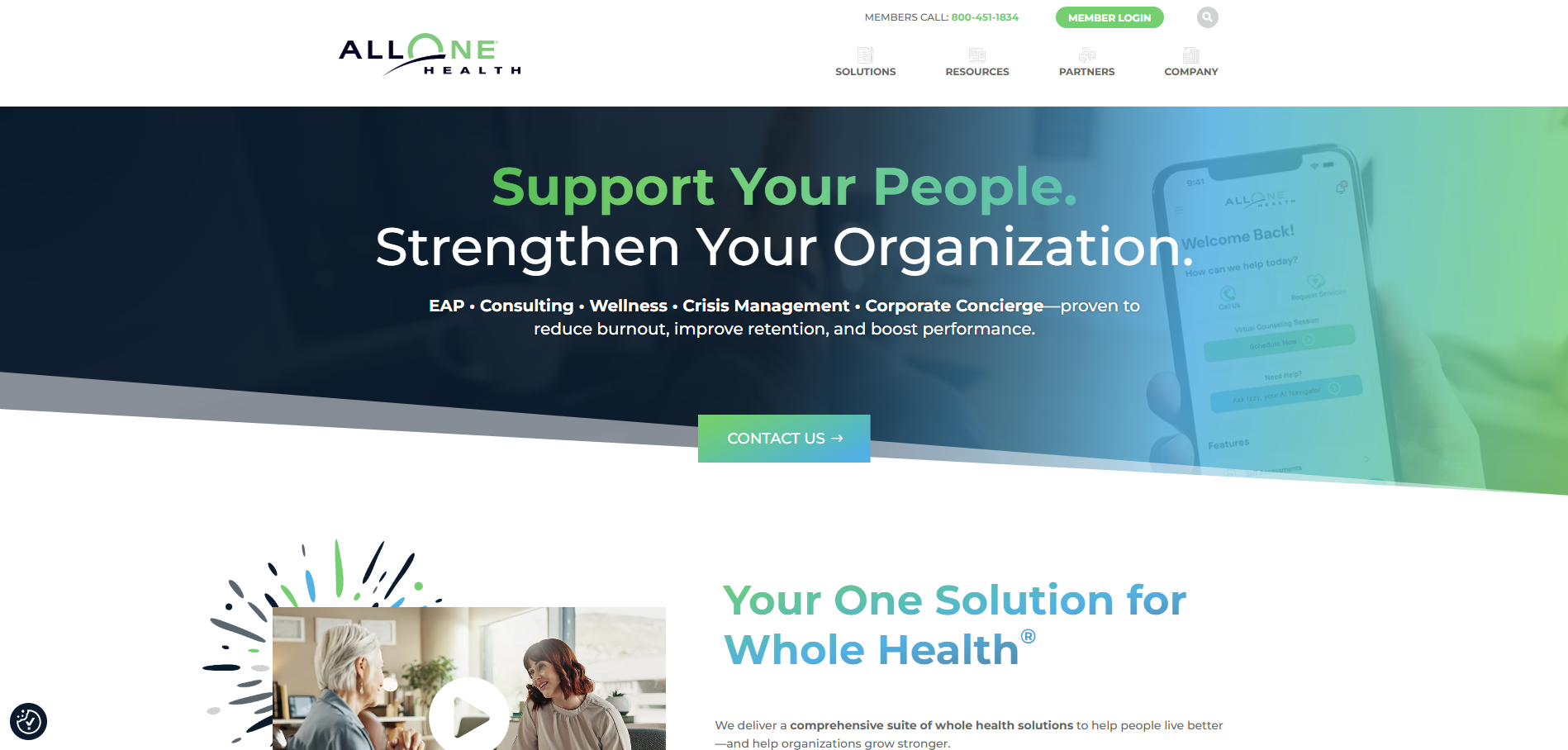
AllOne Health stands out as a top recommendation for employers seeking comprehensive mental health and EAP benefits for their union workforce. The provider offers members access to an extensive network of over 60,000 master’s-level counselors and clinicians. It is trusted by more than 10,000 organizations nationwide.
Core services include mental health counseling, crisis support, legal referrals and financial coaching sessions delivered through telephonic sessions. Members can submit life coaching requests through the app or member portal at any time. The program delivers whole-person support rooted in real outcomes, helping organizations build stronger, more resilient teams.
2. Union EAP (Colorado)
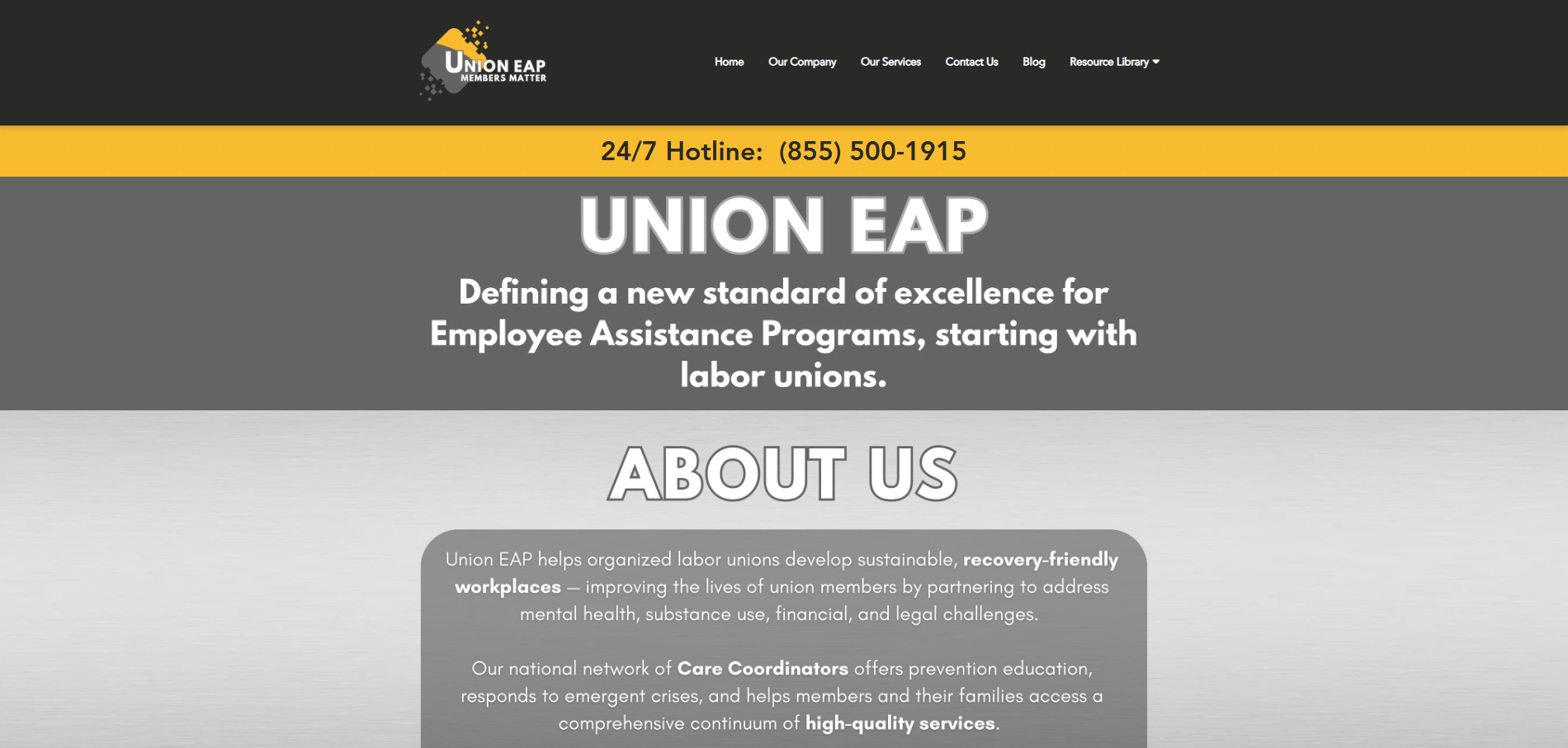
Union EAP specializes in serving union locals and multiemployer benefit plans, particularly across the Midwest. Built specifically for organized labor, the program tailors services to the unique needs of union members and their families. Its peer-driven approach complements traditional counseling with union-aware support systems that respect the culture of solidarity.
The provider offers substance use recovery resources, including referrals and recovery management for members and families. Financial and legal assistance help members navigate personal and workplace challenges, with coverage extending beyond the individual employee to support entire families.
3. ComPsych (Illinois)

ComPsych operates as a major global leader in EAP services, making it well-suited for large unions with geographically dispersed memberships. The GuidanceResources platform provides a centralized digital experience for mental health, work-life and employee wellness services. An extensive global provider network ensures coverage across regions.
Comprehensive work-life services address childcare, elder care, legal consultations and financial guidance. Data analytics and reporting capabilities help employers measure utilization and program effectiveness. Global crisis response capabilities support organizations before, during and after disruptive events.
4. Workplace Options (North Carolina)
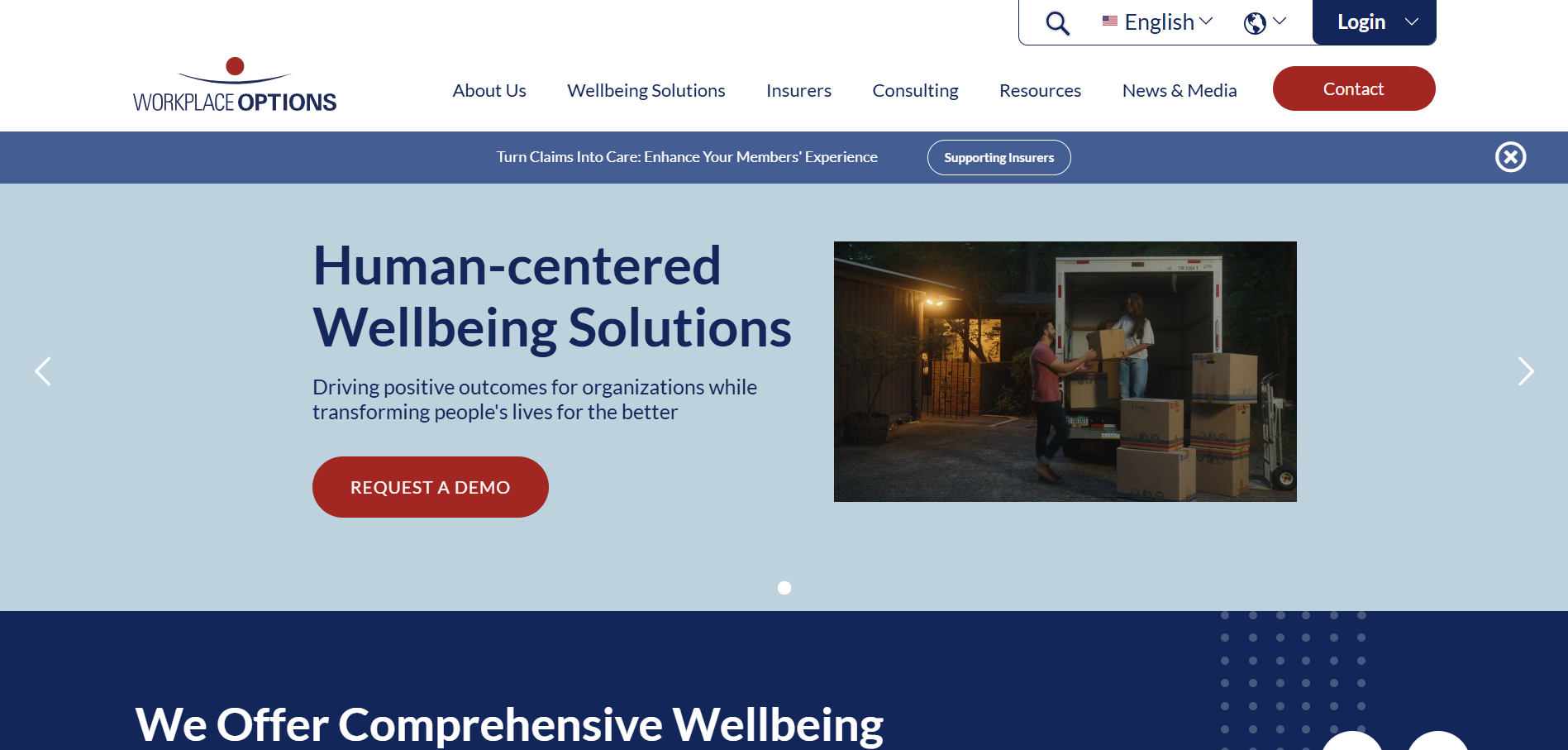
Workplace Options brings a global presence spanning more than 200 countries and territories, making it a strong fit for multinational employers with unionized workforces. High-touch work-life support covers caregiving, relocation, daily living and family resources. Cross-cultural and multilingual counseling supports diverse workforces, ensuring accessibility across language barriers.
Organizational resilience services focus on change management, leadership support and workforce well-being. Wellness and prevention programs aim to improve employee engagement before issues escalate, offering a proactive approach to mental wellness at work.
5. ESI Employee Assistance Group (Ohio)
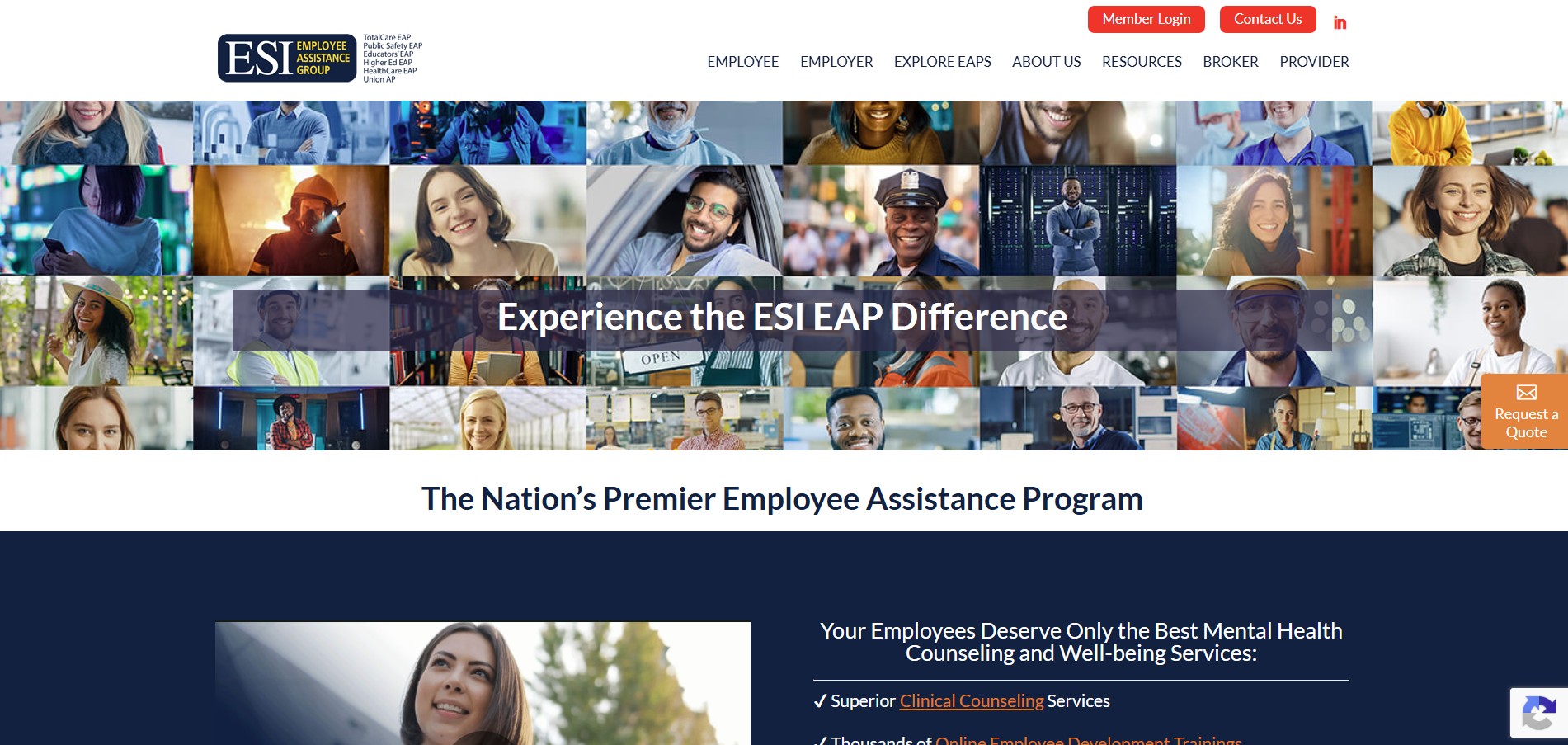
ESI Employee Assistance Group maintains a strong history and comprehensive benefits menu, making it a solid regional choice. The organization offers a dedicated union assistance program created specifically for union members and labor organizations. Robust supervisor and management training helps leaders recognize and address employee concerns early.
As a privately owned organization, ESI delivers personalized, concierge-style customer service. Workplace education and prevention programs cover mental health, substance use recovery, conflict resolution and stress management. Customizable EAP solutions can be tailored to different industries, organization sizes and labor environments.
Frequently Asked Questions About Union EAPs
Discover more about employee assistance programs for union workers.
What is the difference between an EAP and a member assistance program (MAP)?
The terms are often used interchangeably, but a member assistance program (MAP) typically refers to EAP services specifically designed for union members. MAPs emphasize union culture and may be governed by collective bargaining agreements that define benefits, access and delivery methods. Both provide mental health counseling, crisis support and work-life resources, but MAPs are structured to align with organized labor’s needs and values.
How do EAPs maintain confidentiality for union members?
Confidentiality is a cornerstone of effective EAP services. Providers maintain strict privacy protections, ensuring that neither employers nor union leadership can access individual usage details without member consent. Reputable programs adhere to federal privacy regulations and clearly communicate how member information is protected, building trust within close-knit union environments.
Can an EAP be used during a labor dispute or strike?
Most EAPs remain available to union members during labor disputes. These programs are often established through negotiated contracts that continue regardless of bargaining status. Access to support for employee mental health during high-stress periods like strikes can be particularly valuable. Employers should verify contract language to confirm continuity of benefits and communicate clearly with members about ongoing access during disputes.
Building a Stronger, More Resilient Workforce
Investing in the mental and emotional well-being of union members strengthens the entire organization. Specialized EAPs that understand the culture, demands and values of organized labor deliver meaningful support that generic programs cannot match. By evaluating providers based on their expertise, network quality and union-specific capabilities, employers can select programs that contribute to workforce stability, productivity and long-term resilience.