
Close Menu
    Facebook X (Twitter) Instagram
    Facebook X (Twitter) Instagram Pinterest
    BAUCE
    SUBSCRIBE
    • Hustle

      9 Must-Have Items Every Working Woman Should Have In Her Work Bag

      February 19, 2026

      How to Keep Your Office on Track: Top Organization Tips

      February 9, 2026

      Top 10 AI Tools That Every Female Founder Needs To Boost Productivity And Improve Workflows

      February 9, 2026

      How to Go From Freelancer to Business Owner: A Step-by-Step Guide for Growing Your Solo Practice

      February 5, 2026

      5 Essential Rules To Follow To Create The Perfect Business Name

      January 3, 2026
    • Believe

      How To Empower Your Entrepreneurial Journey With Vision Boarding

      February 5, 2026

      Emergency Mental Health vs. Preventative Wellness: Which Model Actually Saves Money for Business Owners

      January 23, 2026

      How To Prevent And Manage Burnout As A Business Owner

      January 4, 2026

      9 Self-Care Practices Every Busy Black Woman Should Know

      August 5, 2025

      How to Build Confidence at Work: 4 Tips for Women Entrepreneurs

      July 24, 2025
    • Earn

      Why is Cash Flow a Critical Factor in Real Estate?

      December 5, 2025

      The 5 Financial Stress Archetypes: Which One Are You?

      September 10, 2025

      The Ultimate Guide to No Fee Checking Accounts in 2025

      September 9, 2025

      6 Niche Beauty Businesses You Can Launch Today

      August 17, 2025

      How to Build Wealth Through Real Estate Investing as a Millennial Woman of Color

      August 15, 2025
    • Live

      5 Women Suit Brands Worth Trying for Work and Events

      April 1, 2026

      These Are The Best Nail Designs For Working Women

      March 10, 2026

      The Psychology of Eyewear Confidence: How Glasses Transform Entrepreneurial Self-Perception and Performance

      December 2, 2025

      Investing in Your Health: Why Wellness Programs Are a Smart Business Move

      August 16, 2025

      Focused on Family Planning? Here’s What You Need To Know About Egg Freezing

      July 11, 2025
    • Profiles

      From Overworked to Empire: Amanda Williamson’s Formula for Success

      March 5, 2026

      Kellie Pean on Blending Data and Culture: How Brand New Breathes Creativity into Authentic Marketing

      November 12, 2025

      How FIT President Dr. Joyce F. Brown Built a Legacy of Lasting Change

      September 22, 2025

      How Candace Mitchell, Founder & CEO of MYAVANA, is Redefining Hair Care With AI

      September 15, 2025

      These Black Self-Made Women Share the Lessons That Changed Everything

      September 5, 2025
    • Academy
    • More
      • About
      • Contact
      • Jobs
      • Advertise
      • Book 1:1 Strategy Call
    • Shop
    BAUCE
    Live

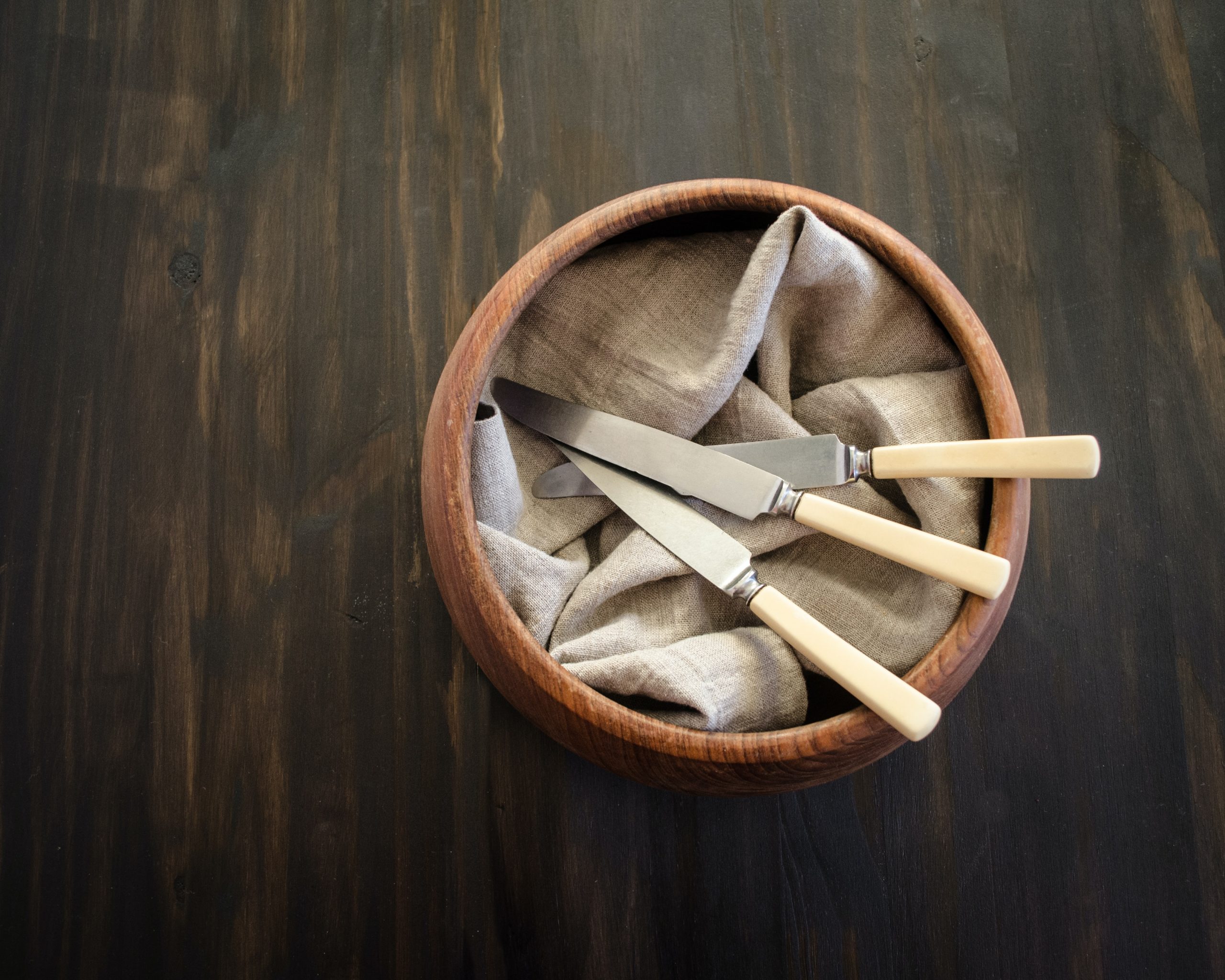
    These Are The Types of Knives That Your Kitchen Needs

    By BAUCE MEDIA PARTNEROctober 4, 20204 Mins Read
    Share
    Facebook Twitter LinkedIn Pinterest Email

    Perhaps nothing sums up the importance of kitchen knives better than Japanese chef, Masaharu Morimoto’s words: “A kitchen without a knife is not a kitchen”.

    Knives are kitchen essentials without which whipping up the most basic meals can be a challenge. But simply having a sharp knife isn’t always enough. Especially not if you wish to take your culinary outcomes from simple to stellar.  

    Whether you’re a beginner or an advanced-level cook, whether you’re a home cook or a professional, having a proper set of knives is key to achieve great results in the kitchen.

    So if you’re asking — “what kitchen knives do I need?” read on to learn about the types of knives your kitchen must have.

    Chef’s knife

    A chef’s knife is the main workhorse in most kitchens. You’ll use it for more than 90% of the kitchen tasks on a daily basis, which includes slicing and dicing vegetables, fruits, meats, and fish.

    However, there are certain tasks for which the chef’s knife isn’t the best tool. For example, when it comes to butchering hunks of meat or carving poultry, a chef’s knife will fail to give you the required control. Ditto for skinning vegetables with a hard rind such as winter squashes or fruits with tough peels.

    When purchasing a chef’s knife, look for one that has a longer edge. The more surface area of the blade you have, the more work the knife does for you. Plus, more blade area makes the knife safer to use. 

    Paring knife

    A paring knife comes right after the chef’s knife in the order of importance. It’s the ideal tool for smaller tasks such as mincing garlic, peeling fruits and vegetables, and hulling strawberries.

    Because of their small size, they make an excellent choice for kids when they start learning to use knives for the first time. They offer more control and are lighter than most kitchen knives.  

    Slicing/carving knife

    This knife has a long-blade, straight-edges and a rounded tip (sometimes with a row of identical dents or scallops on both sides of the blade called Granton). Typically less broad and longer (8-10 inches long) than a chef’s knife, this knife is specifically handy for carving/slicing cooked meat, poultry and fish. The narrow blade enables you to obtain thinner cuts and reduces the drag for cleaner results.

    Serrated bread knife

    These are ideal for your kitchen if crusty bread features regularly on your menu. The tooth-like jagged edges of these knives allow you to cut through foods with a hard exterior without putting downward pressure. This is why you can use this knife to cut bread without crushing or crumbling it.

    But, it’s not just bread that you can use them for. They are great for slicing through tomatoes or other fruits and vegetables with slippery exteriors. The rough edges of the blade provides a better grip and makes it easier to cut through such foods smoothly and efficiently.

    Boning knife

    As the name suggest, a boning knife is meant to bone meat, poultry or fish. While most knives are designed to cut in straight lines, boning knives are pliable enough to move and flex along the contours of bones and skin.

    The sharp tip and narrow blade of these knives help to release the meat from the bones with fewer strokes. They can also easily cut through joints and cartilage.

    These were the types of knives you must have in your kitchen. To make sure each one of them performs to their best and maintains their optimal sharpness for as long as possible, they must be cared for. A dull knife is not only frustrating to use but is a safety hazard. Professional knife sharpening services such KnifeCare Australia take away the hassles of keeping your knives in tip-top shape, so you can enjoy working with these super essential kitchen tools for years.

    Share. Facebook Twitter Pinterest LinkedIn Tumblr Email Reddit WhatsApp
    mm
    BAUCE MEDIA PARTNER

    This content was produced via a paid partnership with BAUCE Magazine.

    Related Posts

    5 Women Suit Brands Worth Trying for Work and Events

    April 1, 2026

    These Are The Best Nail Designs For Working Women

    March 10, 2026

    The Psychology of Eyewear Confidence: How Glasses Transform Entrepreneurial Self-Perception and Performance

    December 2, 2025
    Add A Comment
    Leave A Reply Cancel Reply

    TOP RESOURCES FOR YOU

    Black Women Web Designers: 15 Expert Professionals to Hire for Your Next Project

    How To Truly Break The Cycle of Debt

    It’s Time To Stop Sleeping On Your Credit Score, Sis – Here’s Why

    These Are 15 of the Highest Paying Careers To Pursue

    15 Good Jobs That Women Can Do From Anywhere Without Experience

    Facebook X (Twitter) Instagram Pinterest
    • Advertise
    • Privacy Policy
    • Contact
    • Jobs
    • Subscribe
    © 2026 BAUCE MEDIA

    Type above and press Enter to search. Press Esc to cancel.